What Is Creatine?
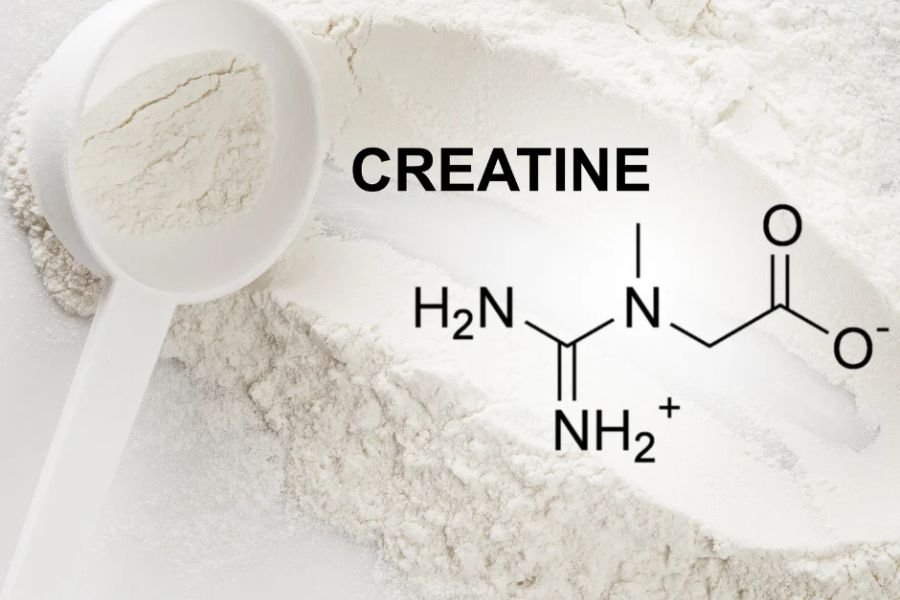
Creatine is one of the most widely studied supplements in sports nutrition, yet many people still feel unsure about what it does and whether it fits their goals. You often hear about creatine in discussions about strength training, muscle size, and athletic performance. While it appears simple on the surface, creatine plays a specific and essential role in how your body produces and uses energy.
Creatine exists naturally in your body. Your liver, kidneys, and pancreas produce it from three amino acids: arginine, glycine, and methionine. Your body then stores most of this creatine in skeletal muscle, where it supports short bursts of intense physical activity. Smaller amounts also exist in the brain and other tissues.
Although your body produces creatine on its own, many people choose to supplement it to increase muscle stores beyond normal levels. This practice has become common among strength athletes, bodybuilders, and recreational gym-goers who want improved performance during demanding workouts.
Understanding how creatine works can help you decide whether it aligns with your training goals and health priorities.
How Creatine Works in the Body
Creatine and Energy Production
To understand creatine, you need to understand adenosine triphosphate, commonly known as ATP. ATP acts as the primary energy currency inside your cells. Every muscle contraction requires ATP, but your muscles only store small amounts at any given time.
During high-intensity activities such as heavy lifting or sprinting, ATP depletes quickly. When this happens, your muscles struggle to maintain power output, which leads to fatigue. Creatine solves part of this problem by helping your body regenerate ATP more efficiently.
Inside muscle cells, creatine binds with a phosphate group to form phosphocreatine. When ATP levels drop, phosphocreatine donates its phosphate to help rebuild ATP. This process allows your muscles to continue producing energy during short, intense efforts.
Why This Matters for Training
This ATP recycling process explains why creatine works best for activities that involve brief, powerful movements. Examples include:
- Heavy resistance training
- Olympic lifts
- Short sprints
- Explosive jumps
Creatine does not act as a stimulant. Instead, it improves your muscles’ ability to reuse energy quickly. This benefit allows you to train harder, lift heavier weights, or complete extra repetitions before fatigue sets in.
Over time, these small performance improvements can add up to meaningful changes in strength and muscle development.
Benefits of Creatine Supplementation
Increased Strength Output
One of the most consistent benefits of creatine involves strength gains. By supporting faster ATP regeneration, creatine allows you to apply more force during resistance exercises. You may notice this effect as an increase in lifting capacity or improved performance on challenging sets.
Stronger contractions also improve training quality. When you maintain power across sets, your muscles receive a stronger stimulus for growth and adaptation.
Improved Muscle Recovery
Creatine also supports recovery between sets and workouts. Faster energy replenishment reduces the stress placed on muscle cells during repeated efforts. Many people report feeling less drained during training sessions when using creatine consistently.
Improved recovery does not mean you eliminate rest days. Instead, it allows you to perform better during training while maintaining overall workload management.
Support for Muscle Growth
Creatine contributes to muscle growth in several ways. First, improved strength allows you to apply greater mechanical tension, which drives muscle development. Second, creatine increases water content inside muscle cells, creating a fuller appearance and supporting cellular hydration.
This increase in cell volume may help stimulate protein synthesis, the process responsible for building muscle tissue. While creatine does not directly build muscle on its own, it creates conditions that support growth when combined with proper training and nutrition.
Reduced Training Fatigue
Creatine helps delay fatigue during high-intensity exercise. When your muscles regenerate ATP faster, you maintain output for longer periods. This benefit allows you to complete additional repetitions or sustain intensity throughout your workout.
Reduced fatigue also improves training consistency. When workouts feel more manageable, you are more likely to stick to your routine over the long term.
Types of Creatine Supplements
Creatine Monohydrate
Creatine monohydrate remains the most researched and widely used form of creatine. It consists of creatine combined with a water molecule and has a strong safety and effectiveness profile. Many people use this form because it delivers reliable results at a reasonable cost.
Micronized creatine monohydrate undergoes additional processing to improve solubility. This version mixes more easily with liquids and may reduce digestive discomfort for some users.
Creatine Ethyl Ester
Creatine ethyl ester modifies creatine by attaching an ester group. Manufacturers claim this version improves absorption and reduces water retention. Some users prefer it due to perceived digestive comfort, though research does not consistently show it outperforming creatine monohydrate.
If you choose this form, follow dosing instructions carefully and monitor how your body responds.
Choosing the Right Form
When selecting a creatine supplement, focus on quality, purity, and tolerance. Many people do well with micronized creatine monohydrate due to its simplicity and research support. Others may prefer creatine ethyl ester if they experience sensitivity.
Start with a small dose to assess tolerance, especially if you have never used creatine before.
Safety and Tolerance Considerations
Is Creatine Safe?
Creatine has a strong safety record when used as directed. Research shows that healthy individuals can use creatine without adverse effects on kidney or liver function. Your body already produces and uses creatine daily, which further supports its safety profile.
That said, individual responses vary. Some people experience digestive discomfort, bloating, or cramping, especially when taking large doses at once.
Allergic Reactions and Sensitivity
Although uncommon, some individuals report sensitivity to creatine. For this reason, it makes sense to begin with a small amount to assess tolerance. If you experience persistent discomfort, discontinue use and consult a healthcare professional.
Adequate hydration also plays an important role. Creatine draws water into muscle cells, so increasing fluid intake helps maintain balance and comfort.
Who Should Use Caution
People with pre-existing kidney conditions should consult a healthcare provider before using creatine. Pregnant or breastfeeding individuals should also seek medical guidance before starting supplementation.
For most healthy adults engaged in strength training, creatine remains a well-tolerated option.
How to Use Creatine Effectively
Daily Dosage
A common maintenance dose ranges from three to five grams per day. Some people begin with a loading phase, which involves higher intake for several days, but this approach remains optional. Daily consistent intake matters more than timing or loading protocols.
Timing and Consistency
You can take creatine at any time of day. Many people prefer post-workout consumption, while others take it with meals. The key factor involves daily consistency rather than exact timing.
Creatine builds up in muscle tissue over time. Missing occasional doses does not eliminate its effects, but regular intake supports steady saturation.
Combining Creatine With Training
Creatine works best when paired with resistance training. If you do not challenge your muscles with progressive overload, you will not see the full benefit. Combine creatine use with structured workouts, sufficient protein intake, and proper rest.
Common Myths About Creatine
Creatine Causes Excess Water Weight
Creatine increases water content inside muscle cells, not under the skin. This process contributes to muscle fullness rather than bloated appearance. Any initial weight increase usually reflects intracellular hydration, not fat gain.
Creatine Is Only for Bodybuilders
Creatine benefits anyone who performs short, intense physical activity. Recreational athletes, strength trainees, and even older adults may benefit from improved strength and muscle function.
Creatine Damages the Kidneys
Research does not support this claim in healthy individuals. Studies consistently show no negative impact on kidney function when creatine is used responsibly.
Can Creatine Help You Gain Muscle Mass?
Creatine does not replace training, nutrition, or recovery. Instead, it acts as a support tool that enhances performance. When you lift heavier weights, complete more repetitions, and recover efficiently, muscle growth becomes more achievable.
If your goal involves increasing muscle mass, creatine can provide a modest but meaningful advantage when combined with consistent strength training. It does not act as a shortcut, but it supports the work you already put in.
Final Thoughts on Creatine
Creatine remains one of the most researched and practical supplements available for strength and performance. Its role in ATP regeneration explains why it supports strength output, recovery, and training capacity. With proper use, creatine can complement your fitness routine without unnecessary complexity.
For individuals focused on resistance training and muscle development, creatine offers a simple and evidence-based option to support progress over time.
About The Author