The Surprising Benefits of Magnesium for Anxiety Relief
Magnesium for anxiety has become a popular search term for a reason. When your mind races and your body feels stuck in “fight or flight” mode, the idea that a simple mineral might help you feel calmer is understandably appealing. Magnesium is involved in more than 300 reactions in your body, including many that affect your brain, nerves, and stress response, which is why it is getting so much attention for mood support (Harvard Health).
You will see magnesium described as “nature’s valium” or “the original chill pill,” but the real story is a bit more nuanced. There is encouraging research, some clear benefits, and also important limits you should know about before you rely on magnesium as your main anxiety remedy.
How magnesium affects your brain and stress response
Magnesium touches several parts of your anxiety circuitry at once. Understanding the basics will help you decide if a supplement fits into your overall mental health plan.
Calming overactive nerve signals
Your brain uses chemical messengers called neurotransmitters to send signals. Some are stimulating, others are calming. Magnesium helps keep this system in balance.
According to psychiatrist Dr. Joseph Austerman, magnesium can reduce the release of glutamate, an excitatory neurotransmitter, and support GABA, an inhibitory neurotransmitter that helps quiet nerve activity (Cleveland Clinic). When GABA is working well, you are more likely to feel steady instead of wired and on edge. This shift may partially mimic the calming effect of certain anti anxiety medications, although not as powerfully.
Regulating cortisol, your stress hormone
Cortisol is one of your key stress hormones. In short bursts it is helpful. In chronic stress it can make anxiety and depression worse by “turning up the volume” on anxious thoughts and physical symptoms.
Magnesium appears to help regulate cortisol levels, which may blunt that exaggerated stress response and reduce the intensity of anxious feelings over time (Cleveland Clinic). If you feel like you are stuck in high alert mode, better cortisol control can make that constant tension a little easier to manage.
Supporting your nervous system overall
Magnesium is essential for normal nerve and muscle function and for the regulation of calcium and blood sugar in your body (Harvard Health). Symptoms of low magnesium such as fatigue and muscle cramps can overlap with anxiety, making it harder to tell what is causing what. Keeping your levels in a healthy range gives your nervous system a more stable foundation so other anxiety treatments can work better.
In many people, magnesium is not a magic cure, but it can be an important piece of a broader anxiety management toolkit that includes therapy, lifestyle changes, and sometimes medication.
What the research actually says about magnesium for anxiety
You will find bold claims online, but the evidence is more modest and mixed. Knowing what studies do and do not show helps you set realistic expectations.
A review of clinical trials up to 2016 found that 4 out of 8 studies in adults reported that magnesium supplements reduced subjective anxiety symptoms, usually in people with mild to moderate anxiety (PMC). However, many of those studies combined magnesium with other ingredients such as vitamin B6 or plant extracts, so it is difficult to say how much of the benefit came from magnesium alone.
Among women with premenstrual syndrome, 4 out of 7 studies reported that magnesium, either by itself or with vitamin B6, improved anxiety related PMS symptoms. Again, inconsistent study methods and possible placebo effects make the overall picture less clear (PMC). One randomized trial found that a daily combination of 200 mg magnesium plus 50 mg vitamin B6 for a month relieved anxiety related premenstrual symptoms more effectively than either nutrient alone (WebMD).
On the other hand, magnesium did not reduce postpartum anxiety within 48 hours of childbirth in one study, and evidence for magnesium helping anxiety in people with mild hypertension is weak and inconsistent (PMC). Researchers also did not find a clear pattern that higher doses or specific forms always led to better anxiety outcomes.
Overall, magnesium shows promise, especially for mild anxiety and PMS related symptoms, but current studies are small, varied, and often imperfect. Experts consistently emphasize that more reliable research is needed before magnesium can be considered a stand alone anxiety treatment (WebMD).
Why so many people are interested in magnesium
Even with limited data, magnesium for anxiety keeps coming up in conversations with doctors and therapists. There are a few reasons why.
First, around 70 percent of Americans may not be getting enough magnesium, according to estimates cited by the Cleveland Clinic (Cleveland Clinic). If you are already low, bringing your levels back into a healthy range might make you feel calmer, more energetic, and less tense, even if it does not “cure” anxiety.
Second, magnesium has a relatively good safety profile for most healthy adults when taken in appropriate doses. Side effects tend to be mild, like nausea or diarrhea, and are more common with certain poorly absorbed forms (Harvard Health). Compared with stronger medications, a well chosen magnesium supplement can feel like a lower risk first step.
Finally, magnesium is doing double duty. It is being explored for insomnia and migraine relief, both of which are closely tied to anxiety. Harvard Health notes that while evidence is limited, magnesium may be worth trying for sleep and headaches, and any improvement in those areas often leads to a calmer mood overall (Harvard Health).
The best forms of magnesium for anxiety support
If you decide to try magnesium for anxiety, the form you choose matters. Some types are better absorbed and gentler on your stomach than others.
Functional psychiatrist Dr. Suruchi Chandra highlights magnesium glycinate and magnesium taurate as two of the best researched options for anxiety and other mental health concerns. Both are more bioavailable than cheaper forms and are less likely to cause diarrhea (Dr. Suruchi Chandra).
- Magnesium glycinate is magnesium bound to glycine, an amino acid with its own calming and sleep supporting properties. This form is known for good absorption and for being easy on digestion.
- Magnesium taurate combines magnesium with taurine. Taurine may help magnesium get into the brain more effectively and appears to have neuroprotective and anti inflammatory effects. It is also less likely to cause loose stools, which makes it a good choice if you are sensitive to digestive changes (Dr. Suruchi Chandra).
Magnesium L threonate is another form that often comes up for mood and cognitive health because it can cross the blood brain barrier and may raise magnesium levels in the brain. However, it is significantly more expensive and usually requires two to three times more capsules per day to reach therapeutic doses compared with other forms (Dr. Suruchi Chandra).
In contrast, magnesium oxide is inexpensive but has poor bioavailability and is more likely to cause diarrhea. It can be useful for constipation but is not ideal if your main goal is anxiety relief.
How much magnesium you might need
The amount of magnesium you need each day depends on your diet, overall health, and whether you are using it as a supplement or just trying to meet basic requirements.
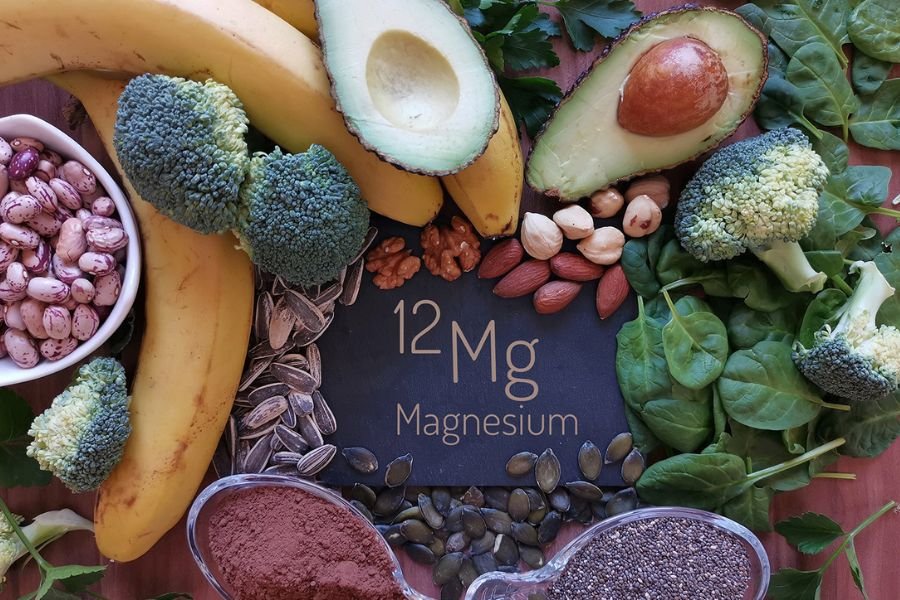
For general health, Harvard Health notes that most adults can meet their needs with 320 mg per day for women and 420 mg per day for men, mainly through food like leafy greens, nuts, seeds, and whole grains (Harvard Health). If your diet falls short, a modest supplement can help you reach that range.
When magnesium is used specifically for mental health, some research has tested higher doses. Dr. Chandra points out that one Stanford study in older adults used a dose of 1800 mg of magnesium threonate per day, and suggests that psychiatric patients may sometimes need more than the standard 320 mg intake. At the same time, she warns that doses over 2500 mg can increase the risk of toxicity (Dr. Suruchi Chandra).
Importantly, the 2016 review found no clear dose response relationship for anxiety relief. Different studies used magnesium doses ranging from about 46 mg to 600 mg per day, in different chemical forms, and did not show a consistent pattern where more always meant better results (PMC).
Because of this, the most practical approach is to:
- Check your diet and consider starting with a moderate supplement dose.
- Choose a well absorbed form like glycinate or taurate.
- Work with your healthcare provider to adjust based on your symptoms, side effects, and any lab testing.
How to tell if magnesium is helping your anxiety
Magnesium tends to work gradually, not overnight. You are more likely to notice small shifts that add up over several weeks rather than a sudden dramatic change.
Doctors at the Cleveland Clinic suggest that if you do not notice any improvement in anxiety symptoms after about a month of consistent magnesium use, it may be time to reconsider your plan and explore other treatments (Cleveland Clinic). That could mean adjusting your dose or form, or focusing more on therapy, medication, or lifestyle strategies.
Pay attention to:
- How easily you fall asleep and stay asleep.
- Whether muscle tension, jaw clenching, or restlessness ease up.
- Changes in how intensely you react to daily stressors.
- Any digestive side effects, like loose stools or cramping, which may mean your dose is too high or your form is not a good fit.
If you can, keep a simple mood and symptom journal for a few weeks before and after starting magnesium. That makes it much easier to spot subtle improvements or confirm that there is no real change.
Safety tips before you start magnesium for anxiety
Even though magnesium is available over the counter, it is still a bioactive supplement. You will want to be thoughtful, especially if you take other medications or have chronic health conditions.
Magnesium supplements can cause side effects like nausea and diarrhea, particularly at higher doses or with less absorbable forms. Harvard Health recommends talking with your doctor before starting magnesium, especially if you have kidney disease or take medications that might interact with it (Harvard Health).
A blood test can check your magnesium level, although standard blood tests are not perfect at detecting mild deficiencies. The usual reference range is 1.7 to 2.2 mg/dL, and if you are on the low side of normal, your clinician may be more open to a trial of supplementation (Harvard Health).
Most importantly, magnesium should not replace professional mental health care. The Cleveland Clinic emphasizes that while magnesium supplements may help some people, they are not a substitute for therapy or medication when those are needed. If your anxiety is severe, affecting your ability to work or maintain relationships, or is linked to panic attacks or thoughts of self harm, you should see a mental health professional even if you also decide to try magnesium (Cleveland Clinic).
Putting it all together
If you are curious about magnesium for anxiety, you are not alone. This mineral plays a meaningful role in your stress response, brain chemistry, and nervous system health, and many people are not getting enough of it from food. Research suggests that magnesium can modestly reduce anxiety symptoms in some situations, especially mild anxiety and PMS related mood changes, but it is not a guaranteed fix and the science is still evolving.
Your best next steps are simple and practical:
- Look at how much magnesium you get from daily foods like leafy greens, nuts, seeds, and whole grains.
- Talk with your healthcare provider about trying a well absorbed form such as magnesium glycinate or taurate, at a dose that makes sense for your overall health.
- Give it a few weeks, track how you feel, and be prepared to adjust or move on if it is not making a difference.
Magnesium can be a helpful ally, especially when you pair it with good sleep, movement, therapy, and other proven anxiety tools. Start with one thoughtful change and see how your mind and body respond.
About The Author


