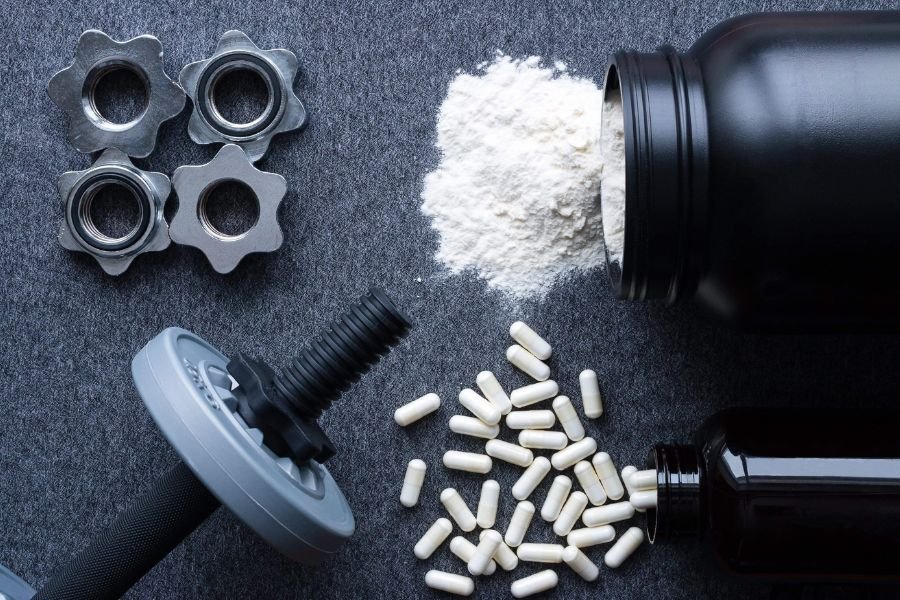
Get the Most From Creatine Supplement Benefits in Your Routine
Creatine supplement benefits can feel almost too good to be true when you first hear about them. More strength, better workouts, maybe even sharper thinking, all from a single scoop of powder. The real story is a bit more nuanced, and understanding it helps you get meaningful results without wasting money or taking unnecessary risks.
Below, you will learn what creatine actually does in your body, the main creatine supplement benefits you can expect, how to use it safely, and how to decide if it fits your routine.
What creatine is and how it works
Creatine is a natural compound your body makes from amino acids. You also get it from foods like red meat and fish. Your muscles store creatine as phosphocreatine, which helps quickly produce adenosine triphosphate (ATP), your muscle cells’ basic energy currency.
When you do short, intense activities like heavy squats or sprints, your muscles burn through ATP very quickly. Creatine helps you regenerate ATP faster, so you can maintain high effort for a few more seconds at a time. That might not sound like much, but those extra seconds translate into more reps, heavier weight, or faster sprints over time.
According to the Cleveland Clinic, creatine supplements increase phosphocreatine levels in your muscles and help maintain continuous energy during intense exercise such as weightlifting or sprinting (Cleveland Clinic). This fast energy support is the foundation for most creatine supplement benefits.
Main creatine supplement benefits for your body
When you consistently use creatine monohydrate and follow a solid workout program, you can expect a few well supported benefits. Some are performance related, while others involve long term health.
Increased strength and lean muscle
Creatine will not build muscle on its own, but it helps you train harder and recover better, which adds up over weeks and months.
Research from UCLA Health shows that taking creatine supplements alongside resistance training can help you build lean body mass and improve strength. For most people the gains are modest, but they are real and measurable (UCLA Health).
Multiple studies summarized by the Cleveland Clinic find that people aged 18 to 30 who lift weights and take creatine gain about two to four extra pounds of muscle over four to 12 weeks compared with those who do not supplement (Cleveland Clinic). A review in 2021 reported that creatine supplementation can increase intramuscular creatine and phosphocreatine stores by 20 to 40 percent, which contributes to greater maximal strength, power output, and fat free mass in healthy populations (PMC).
In practice, this means you might:
- Add a few more reps to your heavy sets
- Move up in weight more quickly
- Notice your muscles looking fuller due to increased water content inside the muscle cells
Over months of consistent training, those small improvements compound.
Better performance in high intensity efforts
If your workouts or sports include short bursts of effort, creatine is especially useful.
The Cleveland Clinic notes that creatine is widely used by amateur and professional athletes to enhance quick burst energy and strength without reducing aerobic endurance. It is particularly helpful in power sports such as sprinting, weightlifting, football, and hockey (Cleveland Clinic).
A 2021 review found that creatine supplementation improves sport specific performance measures like sprinting, agility, and repeated high intensity efforts. For example, soccer and American football players showed increased sprint performance after 5 to 8 weeks of creatine use (PMC).
Harvard Health Publishing also points out that creatine can help your body produce rapid energy and improve brief bursts of power or speed, potentially through increased glycogen storage in muscle (Harvard Health Publishing).
So if you play a sport or follow a training style built on short, intense efforts, creatine makes those sessions more productive.
Faster recovery and higher training volume
You might notice that hard workouts feel slightly easier to bounce back from when you are using creatine consistently.
Research reviewed in 2021 suggests that creatine can accelerate recovery between bouts of intense exercise by reducing muscle damage and helping restore force production more quickly. That allows you to handle higher training volumes and make better long term progress (PMC).
Harvard Health Publishing also notes that creatine may speed muscle recovery after strenuous exercise by promoting glycogen storage in muscles, which provides the glucose needed for healing (Harvard Health Publishing).
You still need rest days and smart programming, but creatine can give you a small edge in how much quality work you can perform each week.
Creatine supplement benefits beyond the gym
Most people think of creatine as a muscle and performance supplement. The research now suggests there may be broader benefits for your brain, aging, and even specific health conditions.
Brain energy and cognitive performance
Your brain uses ATP just like your muscles do. That is one reason scientists are exploring how creatine affects mental performance.
UCLA Health reports that emerging research suggests creatine may benefit cognitive function and reduce fatigue, especially in people dealing with sleep loss, vegetarians, and older adults (UCLA Health). Creatine supplements might also have cognitive benefits for individuals with brain injuries, including concussion, although this area is still being studied (UCLA Health).
A 2024 study published in Scientific Reports looked at healthy young adults who stayed awake for 21 hours. A single high oral dose of creatine monohydrate significantly improved cognitive performance and processing speed compared with placebo. The researchers found that creatine helped maintain brain energy levels and stabilized brain pH during sleep deprivation (Scientific Reports).
In day to day life, this does not mean creatine replaces sleep or cures brain fog. It does suggest that maintaining healthy creatine levels might support your brain under stress, and that is a promising area for future research.
Aging, muscle loss, and bone support
As you age, you naturally lose muscle mass and strength, a process called sarcopenia. This affects mobility, independence, and overall health.
Harvard Health Publishing notes that while creatine does not build muscle alone, it may help offset age related sarcopenia when you combine it with resistance training and a balanced diet (Harvard Health Publishing).
UCLA Health adds that creatine may promote brain health in people aged 60 and older by increasing phosphocreatine in the brain and potentially improving memory, though research on conditions such as dementia is ongoing (Cleveland Clinic). Early studies also indicate creatine could support muscle and bone health in postmenopausal women, particularly as estrogen levels decline, but more work is needed to clarify how it interacts with strength training in this group (UCLA Health).
If you are middle aged or older, pairing creatine with a resistance program can be one tool to help preserve strength and function.
Potential therapeutic applications
The research list for creatine keeps growing. Some early and emerging studies suggest that creatine may:
- Improve certain blood lipid levels
- Aid skin elasticity
- Alleviate some symptoms of Parkinson’s disease
- Help with recovery from muscle overuse and fatigue
These possible benefits come from limited studies, and more evidence is needed before creatine is used as a standard treatment. However, they highlight that creatine affects more than just your biceps. You can review an overview of these emerging uses from UCLA Health (UCLA Health).
If you have a medical condition, you should talk to your doctor before using creatine therapeutically.
Who might benefit most from creatine
Creatine is not mandatory for good health or fitness, but certain groups may see more noticeable creatine supplement benefits.
People who train hard and regularly
If you already lift weights, sprint, or play power based sports several times per week, creatine fits naturally into your routine. You are giving the supplement the training stimulus it needs to translate into strength, power, and muscle gains.
Vegetarians and low meat eaters
If you rarely or never eat red meat or fish, your baseline creatine stores may be lower. UCLA Health notes that people who follow meat free diets, including vegetarians, can benefit from creatine supplementation. One study showed a marked drop in creatine levels when meat eaters followed a vegetarian diet for a month, even when they still consumed eggs and dairy (UCLA Health).
For you, creatine might have a more noticeable effect on both physical and cognitive performance because you are starting from a lower baseline.
Older adults focused on strength and independence
If your goal is to stay strong, mobile, and mentally sharp as you age, creatine is worth discussing with your healthcare provider. The mix of improved training adaptations, possible brain support, and help with age related muscle loss makes creatine an appealing option in a comprehensive healthy aging strategy.
How to take creatine safely and effectively
You get the most from creatine when you choose the right form, dose it properly, and combine it with smart habits.
Choose creatine monohydrate first
Creatine comes in many marketing friendly forms, but the research consistently supports creatine monohydrate as the most effective and well tested option. The Cleveland Clinic states that creatine monohydrate is the most common and effective form for improving muscle performance in short duration, high intensity exercises, while other forms do not appear to add extra benefits (Cleveland Clinic).
A plain, unflavored creatine monohydrate powder is usually affordable and easy to mix into water, juice, or a shake.
Follow evidence based dosing
Harvard Health Publishing recommends a daily dose of 3 to 5 grams of creatine monohydrate. Higher loading doses do not seem to provide additional benefits and may increase kidney stress or digestive discomfort (Harvard Health Publishing).
You have two practical choices:
- Start with 3 to 5 grams per day and wait a few weeks for your muscles to fully saturate
- Or, if you prefer a traditional loading phase, follow your healthcare provider’s guidance and be mindful of stomach upset
Most people find that skipping the loading phase and staying with a simple daily dose feels better and is easier to maintain.
Time your dose around your routine
Creatine is more about daily consistency than perfect timing. You can take it at any time of day. Many people prefer to:
- Mix it with a post workout shake
- Stir it into a glass of water with a meal
- Keep it near their coffee or breakfast as a reminder
Pick a time that fits naturally into your routine, so you are less likely to forget it.
Stay hydrated and support your diet
Creatine pulls more water into your muscles. To stay comfortable, drink enough fluids during the day. This does not mean you need to drown yourself in water. It just means you should pay attention to thirst, especially if you train in hot environments.
Remember that creatine works best when you are also:
- Eating enough total calories for your goals
- Getting adequate protein
- Following a consistent strength program
Creatine is an assistant, not a replacement for the basics.
Safety, side effects, and what the research says
Creatine is one of the most studied supplements in the world, and for healthy adults using normal doses, it has a strong safety record.
What the long term data shows
A 21 month study on 98 Division IA college football players looked at athletes who used creatine versus those who did not. The creatine group followed a loading phase of 15.75 grams per day for 5 days, then averaged about 5 grams per day. Researchers tracked a 69 item blood and urine panel and found no significant differences in metabolic markers, kidney or liver function, electrolytes, or overall clinical health between the groups (PubMed).
The study concluded that long term creatine supplementation for up to 21 months did not negatively affect clinical health markers in athletes engaged in intense training (PubMed).
Harvard Health Publishing also states that creatine supplementation is generally safe for adults at 3 to 5 grams per day and stresses that creatine is not an anabolic steroid and does not raise testosterone levels (Harvard Health Publishing).
UCLA Health notes that long term studies show creatine does not damage kidney function in healthy adults, and that temporary weight gain from creatine use is due to muscles holding more water, not fat gain. People with kidney disease should still speak with a doctor before using creatine (UCLA Health).
Common side effects and how to handle them
Most side effects from creatine are mild and manageable. They can include:
- Gas or bloating
- Mild stomach upset
- Temporary water weight gain
UCLA Health suggests that you can reduce these effects by starting with a lower dose and skipping the loading phase (UCLA Health). You can also try splitting your daily dose into two smaller servings.
If you notice persistent discomfort, or if you have any kidney or serious medical issues, it is important to check in with your doctor before continuing.
Putting creatine to work in your routine
To actually feel creatine supplement benefits in your day to day life, it helps to treat it as part of a full routine rather than a magic shortcut.
You can:
-
Clarify your main goal
Decide whether you care most about strength, sport performance, body composition, cognitive support, or aging well. This will guide how you train and what you pay attention to. -
Commit to consistent training
Creatine does its best work when you repeatedly ask your muscles to perform at a high level. Aim for at least two to three strength focused sessions per week. -
Dial in a simple daily habit
Pick a time to take 3 to 5 grams of creatine monohydrate every day. Keep it visible in your kitchen or gym bag so you do not forget. -
Track a few key metrics
Watch changes in your main lifts, sprint times, or how quickly you recover between sessions. You might also track body weight to understand any water related changes. -
Reassess after a few months
Give creatine at least 8 to 12 weeks with consistent training. If you see meaningful improvements and feel good, you can keep it as a long term staple.
Creatine will not transform your results overnight, but it can give you a steady, research backed boost. When you pair it with a thoughtful program, enough food, and good recovery, you give yourself a simple tool to get more out of the effort you already put into your health and fitness.
About The Author