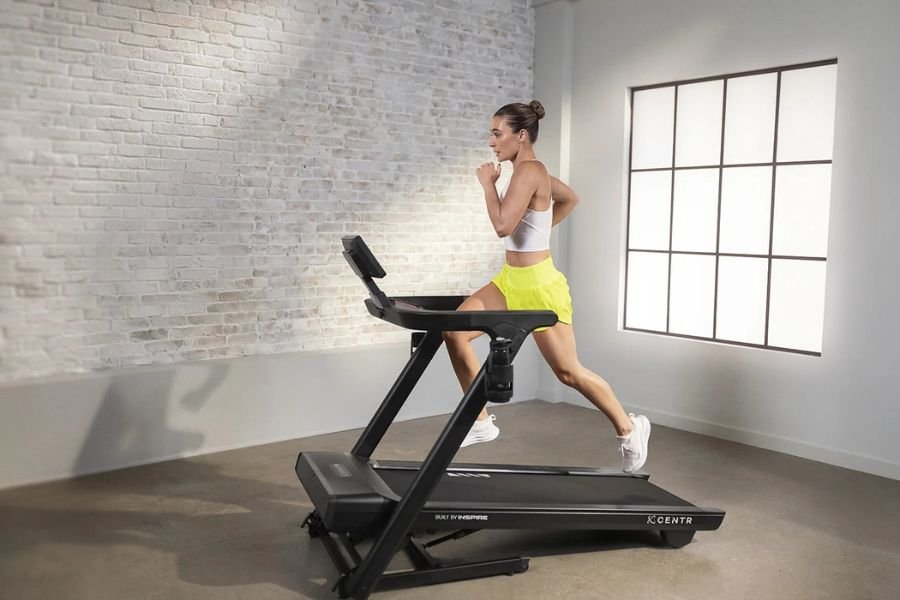
Get Faster Results with These Treadmill Speed Workouts
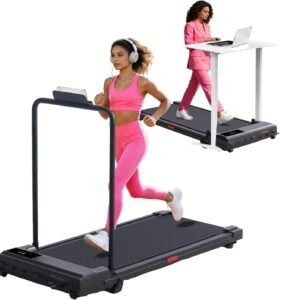
Treadmill speed workouts can help you build fitness, burn fat, and get faster in less time than traditional steady jogging. Instead of adding more miles, you focus on short bursts of intensity that challenge your heart, lungs, and muscles. When you use treadmill speed workouts with intention, you turn a boring machine into a powerful training tool.
Below, you will find clear explanations, beginner friendly examples, and practical tips so you can start safely and progress with confidence.
Understand what treadmill speed workouts do
Treadmill speed workouts are any sessions where you alternate faster running with easier recovery. This approach is often called high intensity interval training or HIIT. You can change speed, incline, or both, and you control everything from the comfort of an indoor space.
These workouts are effective because they push both your aerobic and anaerobic systems. That is why HIIT style treadmill sprints can significantly boost cardiovascular health and endurance when you train consistently throughout the year (American Sport & Fitness). Instead of a long, slow run, you get multiple short efforts at higher intensity that train your body to use oxygen more efficiently.
Speed work also improves your running mechanics. The moving belt encourages a quicker turnover and shorter ground contact time, which is helpful because you move forward only when you are in the air. Practicing faster strides on the treadmill can teach you to minimize ground contact time and improve running efficiency (Cooper Aerobics).
Know the key benefits for weight loss and health
If your main goals are fat loss and better health, treadmill speed workouts offer several advantages over casual walking or slow jogging.
Short, hard intervals raise your heart rate quickly and keep it high, which helps you burn more calories in less time. High intensity treadmill training can burn up to 30 percent more calories than some other forms of cardio, which makes it a smart choice when you want efficient fat loss and improved cardiovascular health (Crunch Fitness).
Treadmill sprints also trigger the afterburn effect. This means your body continues to burn extra calories after you step off the machine as your system returns to baseline. That afterburn, combined with increased metabolism and lean muscle growth, can help you burn more calories throughout the day (NordicTrack).
From a health standpoint, HIIT treadmill sprints engage both slow and fast twitch muscle fibers. You train your heart, improve oxygen delivery to your muscles, and build strength in your legs at the same time (Garage Gym Reviews). Over time, you may notice everyday activities feel easier and your resting heart rate improves.
Set up your treadmill for success
Before you jump into intervals, take a few minutes to set yourself up properly. This will keep you safer and make your workouts more effective.
Start with a brief warmup. Most coaches recommend at least 3 to 5 minutes of easy walking or light jogging to prepare your muscles and joints for faster work (American Sport & Fitness). Use this time to check in with your posture, loosen your shoulders, and find a comfortable stride.
Next, add a slight incline. A 1 to 2 percent incline helps mimic outdoor conditions and increases muscle engagement, especially in your glutes and hamstrings (NordicTrack). It can also reduce the pounding that sometimes happens when you run entirely flat.
Finally, choose a starting speed that challenges you but still lets you maintain good form. If you are newer to running, experiment between 2.0 and 7.0 miles per hour. If you already run regularly, you might work in the 5.0 to 11.0 miles per hour range. You can gradually increase speed by small increments every week or two as your fitness improves (Garage Gym Reviews).
Begin with beginner friendly speed intervals
If you are just starting treadmill speed workouts, simple intervals are the easiest and safest way to begin. Think of them as short sprints followed by generous breaks so your body can recover.
One common beginner routine looks like this. After a 3 to 5 minute warmup, sprint for 30 seconds at a challenging pace. Then walk or jog gently for 1 to 2 minutes. That recovery window gives your muscles time to clear fatigue, so you can repeat the next interval with quality effort. Aim for 4 to 6 rounds the first few sessions and build to 8 to 10 rounds as you get fitter (American Sport & Fitness).
HIIT treadmill sprints typically follow this same pattern. You alternate 30 second high intensity intervals with 1 to 2 minutes of rest, either walking or very light jogging. The rest periods are crucial. They help you stay powerful during each sprint and reduce your risk of overtraining or injury (NordicTrack).
Beginner tip: during those sprint segments, focus on quick, light steps and a slight forward lean from your ankles. Try to land under your center of mass instead of reaching too far in front with your foot. This helps you naturally shorten ground contact time and improves your running efficiency (Cooper Aerobics).
Use incline to target more muscles
Once you are comfortable with basic speed intervals, you can add incline to increase challenge without necessarily going much faster. Incline treadmill workouts are especially helpful if your knees prefer less impact or if you want to build stronger glutes and hamstrings.
Walking or running on an incline forces your legs to produce more power with each step and increases stride length. Even a small incline recruits more muscle fibers and raises your heart rate. Over time, you can increase the incline gradually during your workout to build strength for hill climbs and outdoor running (Cooper Aerobics).
Incline also changes the demand on different muscle groups. When you add hills, you engage your glutes, hamstrings, quadriceps, and calves more intensely, which helps build muscle strength and endurance and enhances your power output (American Sport & Fitness). Walking uphill can also increase calorie burn compared with walking on a flat surface and can be easier on your joints because it mimics running uphill instead of pounding downhill (Garage Gym Reviews).
You might try this simple incline interval: after a warmup, set the incline to 3 to 5 percent and walk briskly for 2 minutes. Then lower the incline and walk slowly or jog for 2 minutes to recover. Repeat for 15 to 20 minutes total. Over time you can make the uphill segments longer or steeper.
Try structured speed workouts for variety
Once you understand the basics, you can rotate through a few different treadmill speed workouts to stay motivated and target your goals from multiple angles.
One option is the classic 30 seconds on, 30 seconds off interval. You sprint for 30 seconds at a fast but controlled pace, then walk or jog for 30 seconds. This type of workout improves explosive power in your muscles and challenges your cardiovascular system to deliver oxygen efficiently. You can start with 10 minutes and build to 20 or 30 minutes by raising speed or extending the total session length gradually (Garage Gym Reviews).
Speed ladder workouts give you a different mental challenge. You gradually increase your pace every minute or two until you reach a tough but sustainable top speed, then work your way back down. This style boosts cardio endurance, increases calorie burn, and also taps into the afterburn effect for continued fat burning when you finish (Crunch Fitness).
If you prefer something more free flowing, a Fartlek treadmill workout might suit you. Fartlek means speed play. Instead of fixed intervals, you alternate between easy, medium, and fast paces without coming to a full rest. Over 20 to 30 minutes, you explore different speeds and test your cardiovascular capacity, often discovering you can run faster than you expected (Garage Gym Reviews).
For best results, stick with one or two of these workouts for several weeks, and track your settings. Recording your speeds, inclines, intervals, and rest periods in a simple log makes it easier to see progress and stay motivated over time (NordicTrack).
Combine speed work with smart recovery
High intensity treadmill speed workouts are powerful, but they also place more stress on your body than an easy walk. The way you schedule rest and other training will make a big difference in how you feel and how quickly you reach your goals.
Most people do best with 2 to 3 speed sessions per week. For example, you might sprint on Monday and Thursday, then use other days for strength training, mobility work, or easy walking. This kind of cross training builds muscle tone and helps prevent overuse injuries while keeping your weekly calorie burn high (Crunch Fitness).
If you choose to use the treadmill daily to support weight loss, you can rotate harder speed days with lighter sessions like incline walking or comfortable jogging. Pairing daily use with a calorie deficit will support fat loss, but you still need rest days or lower intensity sessions so your body can recover and adapt to the training load (PureGym).
Finally, listen to your body. Signs like persistent soreness, unusual fatigue, or declining performance are clues to scale back intensity or add more recovery. Adjusting one training variable at a time, like speed, incline, or total time, makes it easier to find the right mix for your lifestyle and fitness level.
Turn treadmill speed workouts into a lasting habit
The most effective treadmill speed workout is the one you can stick with. Start from where you are today, not where you think you should be. Choose one simple interval routine and schedule it like any other appointment.
Over the next few weeks, focus on small adjustments. Add a round or two of intervals, raise the speed slightly, or nudge the incline up by half a percent. These modest changes apply the principle of progressive overload, so you keep making progress without sudden jumps that might lead to injury (PureGym).
With steady practice, you will likely notice that your heart rate recovers faster between intervals, your breathing feels smoother, and everyday tasks feel easier. Those are signs that your body is adapting and that your treadmill speed workouts are paying off in faster results and better overall health.
About The Author