Best Low Carb Diet Tricks to Boost Your Weight Loss Today
A low carb diet can be a powerful way to lose weight and improve your health, but the real magic happens in the small habits you repeat every day. The tricks below will help you get results faster while keeping your meals satisfying and realistic for your lifestyle.
Understand what “low carb” means
Before you start cutting foods, it helps to know what you are aiming for. In general, a low carb diet means you eat fewer carbohydrates than the typical guideline, and fill the gap with more protein and healthy fats.
According to the Mayo Clinic, many low carb plans limit carbs to around 20 to 57 grams per day, which is much lower than the usual recommendation of 45 to 65 percent of your daily calories from carbs (Mayo Clinic). Other organizations define low carb as anything under about 100 to 130 grams a day, so there is some flexibility in how strict you choose to be (Diabetes UK).
The key idea is not to eliminate carbs completely. It is to reduce them enough that your body relies more on stored fat for energy, while still getting vitamins, minerals, and fiber from smarter carb choices.
Focus on carbs that work for you
Not all carbohydrates act the same way in your body. One of the most effective low carb diet tricks is to trade fast, refined carbs for slower, fiber rich ones that keep you full.
You might choose to cut back on sugary drinks, white bread, pastries, and large portions of pasta or rice first. These foods digest quickly and can cause blood sugar spikes, which often leave you hungry again soon after. In their place, keep some carbs that bring real nutrition, such as vegetables, berries, beans, nuts, and whole fruits in modest portions (Diabetes UK).
This shift supports more stable energy and makes it easier to stay within your daily carb limit without feeling deprived.
Build your plate around protein
Protein is one of your best tools on a low carb diet. It helps preserve muscle, increases satiety, and supports a steady metabolism, so you are less likely to overeat later.
On most low carb meal plans, you can enjoy:
- Meat and poultry
- Fish and seafood
- Eggs
- Tofu and some meat substitutes
These foods are naturally low in carbohydrates and fit easily into your daily targets (Healthline). Aim to build each meal around a palm sized serving of protein, then add non starchy vegetables and healthy fats around it.
This simple structure keeps your macros balanced without needing to weigh or measure every ingredient.
Pile your plate with low carb vegetables
If you think low carb means tiny portions and constant hunger, vegetables are your answer. Most non starchy veggies are surprisingly low in carbs and calories but rich in fiber, which helps fill you up.
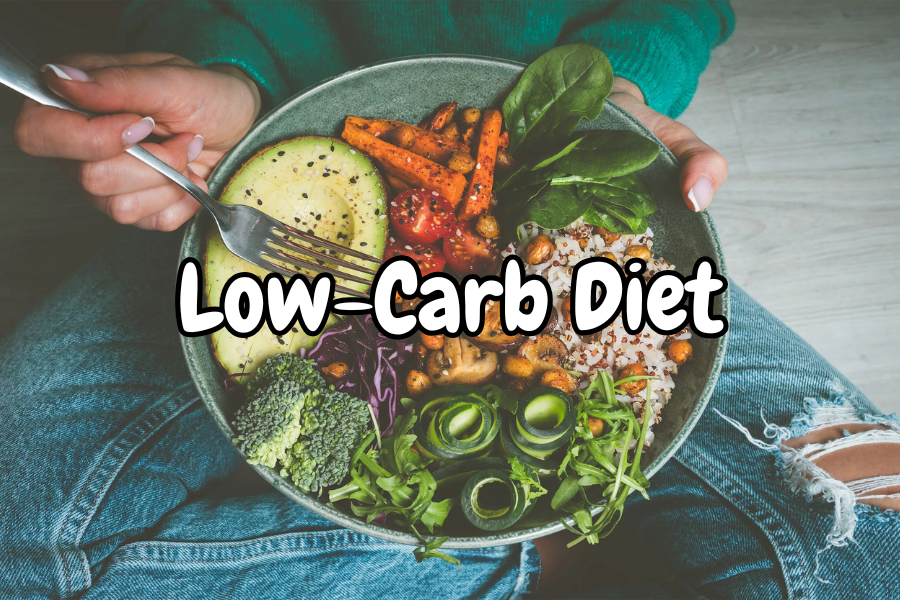
Good low carb options include leafy greens, broccoli, cauliflower, zucchini, cucumbers, asparagus, mushrooms, and celery (Healthline). You can easily cover half your plate with these vegetables at lunch and dinner without pushing your carb intake too high.
Roast them with olive oil, toss them into omelets, or enjoy them in salads. The more volume you get from vegetables, the easier it is to eat less of the heavier, high carb foods.
Use healthy fats to stay satisfied
Reducing carbs does not mean you have to feel hungry. One of the main benefits of a low carb diet is that it tends to reduce appetite on its own, which makes it easier to eat fewer calories without feeling like you are constantly dieting (Healthline).
Healthy fats are a big part of that. Fats and oils contain no carbohydrates, and when you pair them with protein and vegetables, you get meals that are both filling and satisfying (Healthline). Try adding:
- Olive oil or avocado oil for cooking
- Avocado slices on salads or eggs
- Nuts and seeds in small portions
- Fatty fish like salmon or mackerel
Just remember that fat is calorie dense. Use it intentionally, not as a free for all, so your overall intake still supports weight loss.
Quick check: If you often feel hungry 1 to 2 hours after eating, you may need more protein, more healthy fat, or more non starchy vegetables on your plate, rather than more carbs.
Decide how strict you want to be
Low carb is not a single rigid plan. There is a spectrum, from moderate low carb to very low carb or ketogenic diets, and picking the right spot for you can make the difference between quitting and sticking with it.
The Obesity Medicine Association generally defines low carb as less than 100 grams of carbs per day, and a ketogenic diet as 20 to 50 grams per day (Obesity Medicine Association). Very low carb and keto approaches may lead to faster initial weight loss, partly because your body sheds water as it uses up glycogen, but the long term advantage over other diets often becomes smaller after 6 to 12 months (Mayo Clinic).
Ask yourself how much structure you can realistically handle. A moderate low carb plan is usually easier to maintain socially and long term, while a very low carb or keto approach may be better if you like clear rules and faster short term results.
Plan simple low carb meals in advance
You do not need complicated recipes to succeed. Planning a few basic low carb meals ahead of time can keep you from grabbing high carb convenience foods when you are busy or tired.
The Obesity Medicine Association suggests simple meal ideas like eggs with bacon or a veggie omelet for breakfast, bunless sandwiches or salads with protein for lunch, and dinners such as steak with broccoli or chicken with riced cauliflower (Obesity Medicine Association). You can rotate a handful of go to meals and still get plenty of variety by changing seasonings and vegetables.
Batch cooking protein, washing and chopping vegetables in advance, and keeping quick options like canned tuna or pre washed greens on hand can make staying on track much easier.
Watch out for sneaky carbs and “net carb” math
It is easy to underestimate how many carbs you are eating when they are hiding in sauces, drinks, and packaged foods. One useful low carb diet trick is to read labels carefully, especially for foods like flavored yogurt, protein bars, salad dressings, and condiments.
The Obesity Medicine Association cautions against relying too heavily on “net carbs,” where fiber and sugar alcohols are subtracted from the total carb count. This math is not always accurate for your body and can lead to overeating certain products (Obesity Medicine Association). Focusing on total carbohydrates instead gives you a clearer picture of what you are really consuming.
You do not need to obsess over every gram forever, but tracking for a week or two at the beginning can teach you which foods fit comfortably into your daily budget.
Use low carb fruits the smart way
Fruit is healthy, but it still contains natural sugars that count toward your carb total. Many people find they get better results when they treat fruit as a small, planned part of the day rather than a free unlimited snack.
Lower carb fruit options include raspberries, blackberries, strawberries, watermelon, cantaloupe, kiwi, peaches, clementines, and grapefruit (Obesity Medicine Association). Berries in particular are a great choice, because they offer plenty of fiber and antioxidants with relatively few carbs.
You might decide to enjoy one serving of fruit daily, usually with a meal that contains protein and fat, which helps soften the impact on your blood sugar.
Pay attention to how your body responds
While many people lose weight successfully on low carb diets, no single approach works best for everyone in the long run. Research suggests that low carb plans can support weight loss, lower blood sugar, and improve triglycerides and certain heart disease risk factors, especially in the short term (Healthline, Mayo Clinic).
At the same time, very strict, long term carb restriction may lead to issues like nutrient gaps, digestive problems, or higher cholesterol, especially if most of your fats come from processed meats and saturated fat heavy foods (Mayo Clinic, Northwestern Medicine). If you notice persistent fatigue, constipation, headaches, or a drop in exercise performance, it may be a sign to adjust your carb level or improve the quality of your choices.
If you live with type 2 diabetes, low carb eating can be especially helpful for managing blood sugar and reducing medication needs, but you should always work with your healthcare team to adjust doses safely (Healthline, Diabetes UK).
Start small and build momentum
You do not have to overhaul your entire diet overnight to benefit from a low carb approach. In fact, gradual changes are often more sustainable and easier on your body.
You could start by:
- Removing sugary drinks and replacing them with water or unsweetened tea
- Swapping one high carb side, like fries or pasta, for extra vegetables at dinner
- Adding a serving of protein to your breakfast to reduce midmorning cravings
As these small shifts become habits, you can tighten up your carb intake further if you want stronger weight loss results. Over time, you will likely notice less hunger, more stable energy, and a greater sense of control over your food choices.
Pick one of these tricks to try at your very next meal, such as building your plate around protein and non starchy vegetables. Once that feels easy, layer in another. With a few focused changes, your low carb diet can stop feeling like a restriction and start working as a practical, sustainable tool for your weight loss and health goals.
About The Author