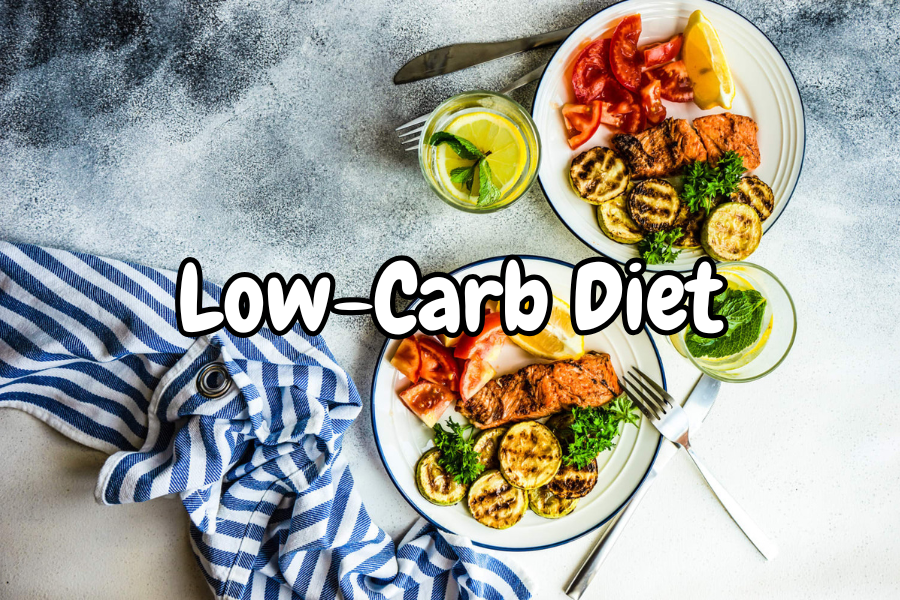
Enjoy Powerful Health Gains on a Low Carb Diet Vegetarian Meal
A low carb diet vegetarian plan can deliver impressive health benefits without forcing you to give up plants or flavor. With some smart food choices, you can enjoy steady energy, easier weight management, and better metabolic health while still eating in a way that aligns with your values.
Below, you will see how a low carb vegetarian approach works, what the research actually says, and how to build satisfying meals you will want to eat every day.
Understand what “low carb diet vegetarian” really means
A low carb vegetarian diet is not about cutting all carbohydrates. It is about choosing the right kinds of carbs, in the right amounts, while centering your plate around plants and vegetarian protein.
In many studies, low carb diets simply mean reducing carbs enough to lower appetite and stabilize blood sugar, often to somewhere under 100 grams of carbs per day for vegetarians, which is a realistic target for most people (Healthline). Vegans usually do better a bit higher, around 100 to 150 grams of carbs daily, because their protein options are more limited.
Instead of bread, sugary snacks, and refined pasta, you fill your plate with:
- Non starchy vegetables
- Quality vegetarian proteins
- Healthy fats
- Modest portions of higher fiber whole foods
You end up with balanced meals that keep you full and help your body use stored fat more efficiently.
Learn how a low carb vegetarian diet supports weight loss
One of the main reasons you might look at a low carb diet vegetarian plan is to lose weight without counting every calorie. Research supports this idea.
At least 23 studies over roughly a dozen years have shown that low carb diets can help with weight loss by naturally reducing your appetite. When your hunger calms down, you tend to eat fewer calories without thinking about it, which is a big relief if you are tired of tracking every bite (Healthline).
Low carb diets also help improve several health markers that usually worsen with excess weight, such as:
- Harmful belly fat
- Triglycerides
- HDL (good) cholesterol
- Blood pressure
- Blood sugar levels
These improvements are especially meaningful if you are dealing with obesity, metabolic syndrome, or type 2 diabetes (Healthline).
At the same time, vegetarian diets in general have a strong track record when it comes to better weight and metabolic health. Well planned vegetarian diets, especially those built around whole plant foods, are linked with lower body weight, better blood sugar control, and improved cholesterol numbers (NCBI).
When you blend the appetite calming power of a low carb pattern with the metabolic benefits of a plant based style, you give yourself a solid foundation for sustainable weight loss.
Compare low carb versus higher carb plant based diets
You might wonder whether you actually need to go low carb if plant based diets already help with weight. A controlled 2021 study from the NIH offers a helpful comparison.
Researchers had adults follow two very different diets in a tightly controlled setting:
- A low fat, plant based diet that was high in carbohydrates, about 75 percent of calories from carbs
- A low carbohydrate, animal based diet
Interestingly, participants ate 550 to 700 fewer calories per day on the high carb, low fat plant based diet and lost body fat on that plan. They lost weight with both diets, but only the high carb plant based diet produced significant body fat loss in that short time frame (NIH).
The plant based meals in the study were very simple and centered around whole foods such as baked sweet potatoes, chickpeas, broccoli, and whole fruits like oranges (NIH). Despite higher blood glucose and insulin levels due to the large amount of carbohydrate, participants still ate less overall and lost more body fat than on the low carb animal based diet (NIH).
What this means for you is not that low carb is “bad” or high carb is “best,” but that plant quality matters more than a single number. Vegetarian and vegan diets that focus on whole, minimally processed foods tend to support better metabolic health, whether they are lower or higher in carbohydrates.
So if you lean low carb, you will get the best results by staying plant focused and quality focused instead of obsessing over grams.
Choose the best vegetarian low carb proteins
Protein is at the center of a satisfying low carb vegetarian meal. It keeps you full, helps you maintain or build muscle, and slows digestion of your meal so your blood sugar rises more gently.
For lacto ovo vegetarians, eggs and dairy are some of the most convenient low carb protein sources. Eggs give you about 6 grams of protein and only 0.6 grams of carbohydrate per cooked egg (Camille Styles). Many types of cheese are naturally low in carbs and high in protein and fat. For example, halloumi cheese has about 7 grams of protein and zero grams of carbohydrate per ounce, which makes it a great choice for grilling, pan frying, or adding to salads (Camille Styles).
Paneer, a staple in Indian cuisine, is another standout. A 3.5 ounce serving gives you roughly 21 grams of protein and only 3.5 grams of carbohydrate, so it fits easily into a low carb vegetarian pattern while adding rich flavor and a pleasant texture (Camille Styles).
Soy products are also powerful allies. Tempeh, a fermented soybean product, packs around 34 grams of protein and about 13 grams of carbohydrate per cup. It is one of the best low carb vegetarian sources of both protein and fat (Camille Styles, Arizona Gynecology Consultants). Tofu and edamame are slightly higher in carbs but still fit easily into most low carb ranges.
If you are vegan and skip eggs and dairy, soy foods and seitan, along with carefully chosen nuts and seeds, will likely sit at the center of your low carb vegetarian plate.
Quick guideline: build every main meal around a substantial portion of protein first, then add low carb vegetables and healthy fats around it.
Build your everyday low carb vegetarian meals
Once you know your go to proteins, you can start assembling satisfying low carb vegetarian meals. The goal is not perfection. It is consistency and enjoyment.
Here are some ideas you can adapt:
- Breakfast: Scrambled eggs with spinach and mushrooms cooked in olive oil, plus a side of sliced avocado. If you avoid eggs, try a tofu scramble with vegetables.
- Lunch: Big salad with mixed greens, roasted cauliflower, grilled halloumi or tempeh, pumpkin seeds, and an olive oil based dressing.
- Dinner: Grilled cauliflower “steaks” with Romesco style sauce and a side of sautéed green beans and paneer or baked tofu (Arizona Gynecology Consultants).
- Snack: A small handful of nuts, Greek yogurt without added sugar if you eat dairy, or a block of baked tofu with herbs.
Broccoli “fried rice” made with finely chopped or riced broccoli can stand in for traditional rice. Toss it with vegetables, tempeh or eggs, and a splash of tamari for a filling, low carb meal (Arizona Gynecology Consultants).
If you enjoy cooking, recipes such as paneer tikka kebabs or crispy torn halloumi salad give you restaurant level flavor while keeping carbs low and protein high (Camille Styles).
Keep carbs moderate instead of extreme
It can be tempting to chase very low numbers and cut your carbs to almost nothing. For many vegetarians and especially for vegans, that approach is hard to sustain and may not be necessary.
Healthline notes that staying below 100 grams of carbohydrates per day is usually a feasible low carb range for vegetarians, while vegans often do better with 100 to 150 grams of carbs daily (Healthline). You still get the appetite calming and blood sugar benefits of a low carb pattern, but you have more room for nutrient dense plant foods.
Using a food tracking app for a week or two can help you understand where your carbs are coming from and how much you actually eat. Then you can adjust gradually instead of making a sudden, drastic change.
Pay attention to your energy, mood, sleep, and digestion as you fine tune your carb intake. Those signals will tell you if you have gone too low.
Watch out for common nutrient gaps and risks
Low carb diets come with potential downsides if you are not careful, and a vegetarian pattern adds its own set of things to watch.
Very low carb diets tend to restrict fruits, whole grains, legumes, and some vegetables. If you cut those too aggressively, you risk missing out on important nutrients like vitamin C, potassium, and especially fiber, which supports gut health and digestion (Healthy For Life Meals). Low fiber intake can affect your microbiome, increase inflammation, and raise your risk of issues like obesity and diabetes over time (Healthy For Life Meals).
Your brain also relies heavily on glucose from carbohydrates to function at its best. Extremely low carb intake can lead to fatigue, irritability, mood swings, and foggy thinking in some people (Healthy For Life Meals). That is another reason to aim for a moderate, sustainable range rather than the strictest version of low carb.
As a vegetarian or vegan, you also need to be proactive about certain micronutrients. Vitamin B12 does not naturally occur in plant foods, so you need fortified foods or a supplement to avoid deficiency related problems like anemia and nerve damage (NCBI). Iron, zinc, calcium, and protein intake all deserve attention too, especially for children, pregnant people, and older adults.
One more thing to keep in mind: when you stay on a low carb diet for a long time, your metabolism may adapt by slowing down. That can make it harder to lose weight unless you change your exercise or calorie intake further (Healthy For Life Meals). Cycling your carb intake slightly or planning non restrictive maintenance periods can help you avoid the feeling of being locked into an ever stricter diet.
Use vegetarian eating to support long term health
Beyond weight loss, a low carb diet vegetarian plan can be part of a broader strategy to protect your heart and metabolic health.
Randomized trials have shown that vegetarian diets can significantly reduce blood pressure, body weight, total and LDL cholesterol, and HbA1c, which is a key marker of long term blood sugar control (NCBI). These benefits tend to be strongest when your vegetarian diet is based on whole grains, legumes, vegetables, fruits, nuts, and seeds, and when you limit refined carbohydrates and ultra processed foods.
Healthy plant based patterns are also associated with a lower risk of colorectal cancer, while vegetarian diets high in refined starch, sugar, and processed foods can actually increase health risks. So the quality of your low carb vegetarian diet matters as much as the carb number itself (NCBI).
For many people with type 2 diabetes, metabolic syndrome, obesity, or some neurological conditions, a lower carb pattern can further improve quality of life and health markers when combined with a thoughtful vegetarian or vegan framework (Arizona Gynecology Consultants).
Put it into practice, one meal at a time
You do not have to redesign your entire diet overnight to benefit from a low carb diet vegetarian approach. Start small and build from there:
- Pick one meal today and center it around a vegetarian protein plus non starchy vegetables.
- Swap one refined carb, like white bread or sugary cereal, for a higher fiber, more nutrient dense option tomorrow.
- Over the next week, notice which meals leave you full and energized for hours, and which leave you hungry soon after. Adjust your protein and carb choices based on that feedback.
By shifting gradually and paying attention to how your body responds, you can enjoy powerful health gains, maintain your vegetarian or vegan values, and still look forward to every meal.
About The Author