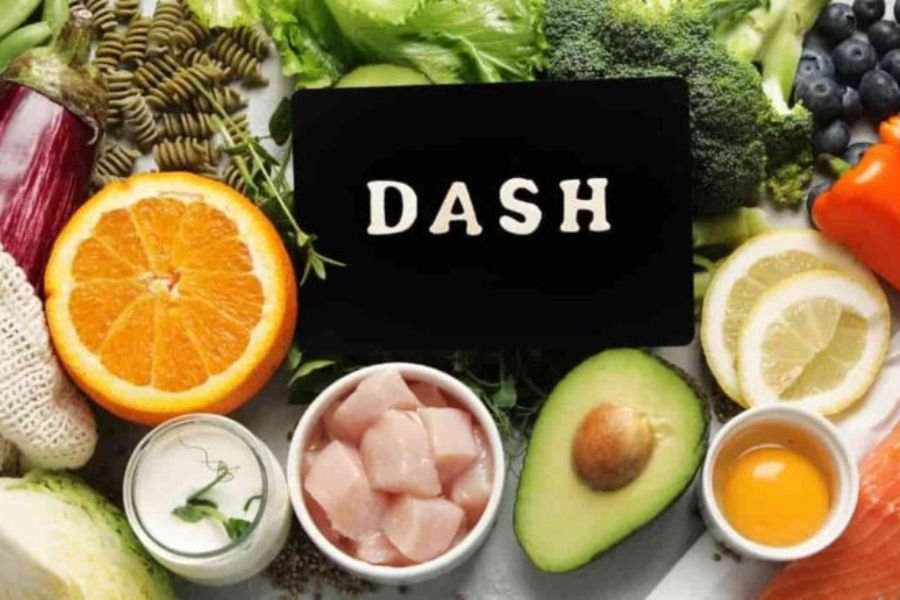
Build Your Best Dash Diet Menu for Lasting Health Success
A thoughtful DASH diet menu can do more than lower your blood pressure. It can help you lose weight, protect your heart, and feel more energized, all without special products or complicated rules. The DASH eating plan, short for Dietary Approaches to Stop Hypertension, has been ranked a top heart healthy diet for years and is designed to fit a typical 2,000 calorie day using everyday foods you can find at any grocery store (NHLBI, Mayo Clinic).
Below, you will learn what to put on your plate, how to build a realistic DASH diet menu, and simple ways to adjust it to your life and goals.
Understand the basics of a DASH diet menu
At its core, a DASH diet menu focuses on foods that naturally support a healthy heart and steady blood pressure. You eat plenty of fruits, vegetables, and whole grains, plus lean protein and low fat dairy, while cutting back on sodium, added sugars, and highly processed foods (Mayo Clinic).
The plan is flexible. You do not buy special products. Instead, you work within daily and weekly goals for different food groups that match your calorie needs (NHLBI). For many adults, that is a 2,000 calorie pattern, but you can adjust higher or lower with a dietitian or health care provider if needed.
What makes DASH especially powerful is the combination of nutrients it delivers, including potassium, calcium, magnesium, protein, fiber, and healthy fats, which together help manage blood pressure and cholesterol levels (Verywell Health).
Know your daily DASH food targets
When you build your DASH diet menu, it helps to think in servings per day instead of single meals. For a typical 2,000 calorie DASH pattern, your day might look like this (NHLBI, Verywell Health):
| Food group | Daily / weekly target (approximate) |
|---|---|
| Vegetables | 4 to 5 servings per day |
| Fruits | 4 to 5 servings per day |
| Whole grains | 6 to 8 servings per day |
| Low fat or nonfat dairy | 2 to 3 servings per day |
| Lean meats, fish, poultry | Up to 6 one ounce servings per day |
| Nuts, seeds, legumes | 4 to 5 servings per week |
| Fats and oils | 2 to 3 servings per day |
| Sweets and added sugars | 5 or fewer servings per week |
These are general guideposts, not rigid rules. You can spread them across your meals in whatever way feels natural. For example, you might hit most of your fruit and whole grain targets by lunchtime, then lean on vegetables and lean protein for dinner.
You also aim to limit sodium to less than 2,300 milligrams per day, and you may see greater blood pressure benefits if you can move toward 1,500 milligrams per day over time (NHLBI, Mayo Clinic).
Choose heart healthy DASH foods
A strong DASH diet menu starts with your grocery list. The more you stock your kitchen with DASH friendly foods, the easier it becomes to assemble meals that support your goals.
Produce as your foundation
You will lean heavily on fruits and vegetables, since they provide fiber, potassium, and other nutrients that support healthy blood pressure (Verywell Health). Frozen versions without added sauces or salt work just as well as fresh.
Rotate items so your meals stay interesting. For example, use berries or bananas at breakfast, an apple or orange as a snack, and roasted vegetables or a big salad at dinner.
Whole grains over refined grains
Whole grains appear in your DASH diet menu throughout the day. Oatmeal at breakfast, brown rice or quinoa at lunch, and whole wheat pasta or farro at dinner all count.
Compared to refined grains, whole grains offer more fiber and nutrients that keep you fuller longer and help support weight management and heart health.
Lean protein and low fat dairy
DASH highlights lean proteins such as skinless poultry, fish, beans, lentils, and small portions of lean red meat (Verywell Health). Beans, peas, and lentils are especially useful because they are rich in both protein and fiber.
Low fat or nonfat milk, yogurt, and cheese provide calcium and protein with less saturated fat. These foods are part of the foundation of the plan (Mayo Clinic).
Healthy fats and smart extras
While you limit saturated fats, you still include small amounts of healthy unsaturated fats. Olive oil, canola oil, and soft margarines that are low in saturated and trans fat are encouraged to help lower LDL, or “bad,” cholesterol (Verywell Health).
Nuts and seeds are another important piece of your week. The DASH plan allows four to five servings of nuts, seeds, dry beans, and peas per week (Verywell Health). A small handful of almonds with fruit can become a satisfying snack that fits this goal.
Limit sodium, sweets, and processed foods
You do not have to cut any food group completely from your DASH diet menu, but you do choose some items far less often.
High sodium foods like processed meats, canned soups, pizza, and many frozen dinners can quickly push your intake over the daily sodium target (Verywell Health). Checking labels and choosing lower sodium options makes a noticeable difference, especially if you are managing high blood pressure.
You also scale back on sweets, sugary drinks, and heavily processed snacks. The DASH plan keeps sweets to five or fewer servings per week (Verywell Health). You might save these for a planned dessert night or a treat on the weekend instead of having them every day.
Alcohol is another piece to consider. Since heavy drinking is linked to high blood pressure, you are encouraged to limit intake to no more than two drinks per day for men and one for women, or avoid it altogether (Verywell Health).
Build a sample one day DASH diet menu
To see how all of this comes together, imagine a simple 2,000 calorie style day that follows DASH principles. Mayo Clinic offers three day sample menus that look similar to this outline (Mayo Clinic).
Breakfast
You might start your day with a bowl of oatmeal topped with sliced banana and a small sprinkle of nuts. A serving of low fat yogurt on the side adds protein and calcium.
This single meal helps you cover servings from whole grains, fruit, dairy, and nuts early in the day.
Lunch
For lunch, you could build a large salad with mixed greens, chopped vegetables, grilled chicken or beans, and a light vinaigrette made with olive oil. Add a slice of whole grain bread or a small serving of brown rice.
Here you check off several vegetable servings, a lean protein, and another whole grain.
Snack
Between meals, you may feel best with a small snack. A piece of fruit paired with a few whole grain crackers, or carrots and hummus, keeps you satisfied without a sugar rush.
Dinner
Dinner on a DASH diet menu often centers on lean protein and vegetables. For example, you might serve grilled fish with a side of quinoa and steamed broccoli, plus a small drizzle of olive oil on the vegetables.
Taste of Home’s collection of DASH friendly recipes includes ideas like grilled tilapia with pineapple salsa, spiced salmon, edamame salad with sesame ginger dressing, and quinoa stuffed peppers to keep dinner interesting while still lining up with DASH guidelines (Taste of Home).
Occasional dessert
If you want something sweet, you could choose a small bowl of berries with a spoonful of low fat whipped topping or a baked apple with cinnamon. These fit within the limit of a few sweets per week while still offering some nutrients.
Adapt your menu for weight loss and lifestyle
If your goal is weight loss along with better blood pressure, you can still follow the same DASH pattern. You simply aim for slightly fewer total calories while keeping the balance of foods similar. The NIH supported DASH plan provides serving tables you can adjust up or down based on your calorie needs, and worksheets to compare your current habits to the DASH goals (NHLBI).
Mayo Clinic also offers sample three day menus based on a 2,000 calorie DASH approach and encourages you to talk with your health care provider or dietitian to personalize your calorie target if you want to lose weight (Mayo Clinic).
Beyond calories, you will want your DASH diet menu to fit your routine. If you rarely cook, you might start with simple recipes like sheet pan vegetables and chicken or slow cooker bean soups that last several days. If you have a busy workday, planning ahead with overnight oats, pre prepped salads, or leftover grain bowls can keep you from relying on fast food.
You also do not have to change everything at once. Many people find success by making one or two shifts at a time, such as switching from white bread to whole grain bread, swapping soda for water or seltzer, and adding a vegetable to every lunch and dinner.
Turn DASH principles into a lasting habit
A well planned DASH diet menu gives you structure without feeling rigid. By focusing on fruits, vegetables, whole grains, lean proteins, low fat dairy, healthy fats, and limited sodium and sweets, you support both your blood pressure and your long term health (NHLBI, Verywell Health).
You can start today with a single meal. For example, try a DASH style breakfast tomorrow, like oatmeal with fruit and nuts plus low fat milk or yogurt. Then, over the next week, choose one more idea to implement, such as adding a vegetable to every dinner or cooking a simple fish recipe from a DASH friendly collection (Taste of Home).
If you need more structure, consider downloading the serving tables and worksheets from the National Heart, Lung, and Blood Institute or reviewing the sample menus from Mayo Clinic. With a bit of planning, you can build a DASH diet menu that feels natural, supports weight loss if that is your goal, and becomes a sustainable part of your everyday life.
About The Author





