Experience Positive Paleo Diet Benefits Starting Today
A paleo style of eating can feel like a big shift, but many people explore it for one main reason: meaningful health changes that they can actually feel. When you focus on whole foods and minimize ultra processed choices, you often notice paleo diet benefits like easier weight loss, steadier energy, and better blood sugar control.
Below, you will see what the paleo diet really is, what research says about its benefits and drawbacks, and how you can try it in a realistic, healthy way that fits your everyday life.
Understand what the paleo diet involves
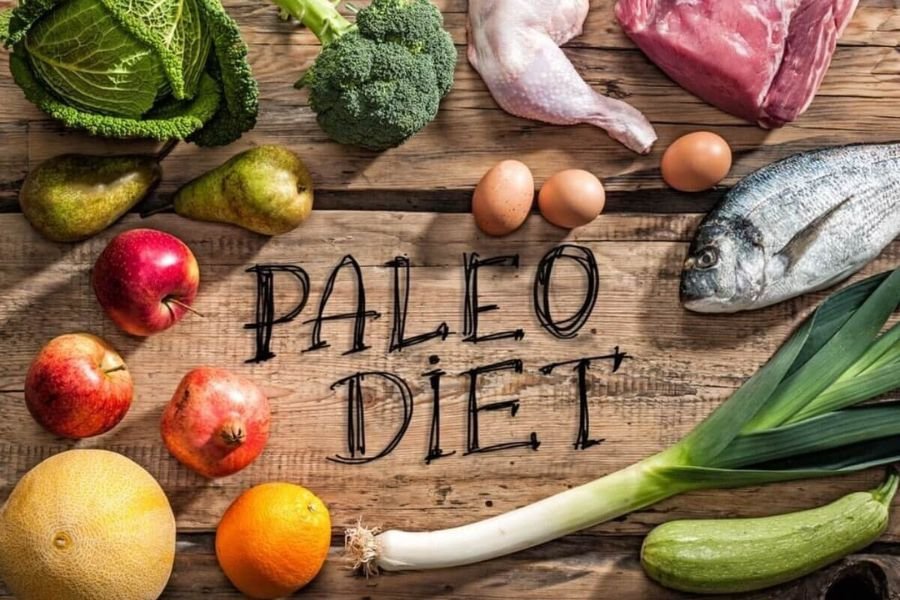
The paleo diet is built around foods you could theoretically hunt, fish, or gather. In practical terms, you eat:
- Vegetables, especially non starchy varieties
- Fruits
- Lean meats and poultry
- Fish and seafood
- Eggs
- Nuts and seeds
You avoid or significantly limit:
- Grains like wheat, rice, oats, barley, and corn
- Legumes like beans, lentils, and peanuts
- Dairy products
- Refined sugar and most processed foods
Mayo Clinic describes paleo as a pattern that likely reflects what humans ate before farming introduced grains, legumes, and dairy to the food supply (Mayo Clinic). In most versions, your calories come from high protein, moderate carbohydrates, and moderate to higher fat, often from unsaturated sources like nuts, seeds, and fish (Harvard T.H. Chan School of Public Health).
If you are used to a grain heavy or snack heavy diet, this can feel like a big change. The tradeoff is that you build your meals around nutrient dense foods that are naturally filling.
Explore key paleo diet benefits
Paleo diet benefits will look a little different for each person, but several patterns show up consistently in research and in real life.
Weight loss and body composition
One of the most common reasons you might consider paleo is weight loss. A meta analysis of 21 randomized controlled trials with 700 adults found that a Paleolithic diet produced meaningful short term reductions in body mass, about 5.8 kilograms on average, and body mass index, compared with various healthy control diets (PMC).
Longer term, over six months and beyond, studies in the same analysis still showed benefits. Participants on paleo style diets lost about 8.7 kilograms on average, reduced waist circumference by 12.1 centimeters, and decreased fat mass more than comparison diets did (PMC).
These results likely come from several factors working together:
- Higher protein intake, which tends to keep you full longer
- Fewer refined carbs and added sugars, which reduces overeating
- A focus on whole foods, which usually lowers your overall calorie density
You are not counting every calorie, yet you often end up eating fewer without trying as hard.
Blood sugar and insulin sensitivity
If you struggle with blood sugar swings or you have prediabetes or type 2 diabetes, paleo can be appealing. By cutting most high carbohydrate processed foods and sweet drinks, you naturally lower the number of foods that spike your blood sugar.
Some people with type 2 diabetes report improvements in blood sugar, blood pressure, and cholesterol within weeks, and in some cases they are able to reduce or temporarily stop some medications, under medical supervision (Everyday Health). Registered dietitian Melissa Joy Dobbins notes that the big reduction in carbohydrates plays a key role in keeping blood sugar levels lower because you eat very few foods that raise blood sugar dramatically (Everyday Health).
However, research is mixed when you compare paleo to other well designed healthy diets. A 2020 systematic review and meta analysis of four randomized controlled trials with adults who had altered glucose metabolism found no significant differences between paleo and control diets for fasting glucose, fasting insulin, insulin resistance, or HbA1c, the marker of long term blood sugar control (PMC).
In other words, eating paleo may improve your blood sugar and insulin sensitivity, especially if your starting point is a highly processed diet, but other balanced approaches can offer similar benefits.
Heart and metabolic health markers
Several studies suggest that paleo can support heart and metabolic health, particularly in the short term. In the meta analysis of 21 trials, a Paleolithic diet significantly improved several cardiovascular risk markers:
- Reductions in total cholesterol and LDL cholesterol in the short term (PMC)
- Decreases in systolic blood pressure by about 6.9 mmHg and diastolic blood pressure by about 4.9 mmHg, effects that were generally stronger than those of control diets (PMC)
Harvard T.H. Chan School of Public Health also notes that short term randomized controlled trials have found greater weight loss, reduced waist circumference, decreased blood pressure, increased insulin sensitivity, and improved cholesterol with paleo compared to diets based on national nutrition guidelines, though most of these studies are small and last six months or less (Harvard T.H. Chan School of Public Health).
It is important to remember that not every paleo plate is heart healthy by default. Your choices within the diet, especially your sources of fat, matter a lot. Lean meats, fish, olive oil, nuts, seeds, and plenty of vegetables will support these positive changes more than heavy reliance on processed meats or large portions of red meat.
Gut health and inflammation
By crowding your plate with vegetables, fruit, and nuts, you naturally increase your intake of fiber, vitamins, and antioxidants. The National University of Natural Medicine points out that the paleo pattern is usually associated with higher vegetable and fiber intake, which are important for gut health and reducing systemic inflammation (NUNM).
Dr. Lynda Frassetto at UCSF has suggested that paleo friendly foods may help people with type 2 diabetes because they provide more fiber that slows sugar absorption, more micronutrients and antioxidants, and possibly a positive effect on gut microflora (Everyday Health).
At the same time, long term strict paleo diets that exclude all grains and dairy may reduce your intake of certain beneficial fibers, especially resistant starch. A cross sectional study from Australia found that people who had followed a strict Paleolithic diet for more than a year had significantly lower resistant starch intake than controls, and they also had higher levels of TMAO, a gut derived compound associated with higher cardiovascular risk (PMC).
This suggests that while you can support gut health on paleo, you need to be thoughtful about your fiber sources, such as root vegetables, leafy greens, and certain fruits, especially if you skip whole grains completely.
Look at what the research does not promise
You may see bold claims that paleo is the single best way to eat or that it cures chronic diseases. The current research does not support that level of certainty.
Mayo Clinic describes the evidence behind paleo as limited and mostly short term, often only weeks or months long (Mayo Clinic). Harvard T.H. Chan School of Public Health also stresses that the restrictive nature of paleo, especially the exclusion of whole grains, legumes, and dairy, may lead to suboptimal nutrient intake, and more long term high quality studies are needed before drawing firm conclusions about direct health benefits (Harvard T.H. Chan School of Public Health).
This does not mean you cannot benefit from a paleo pattern. It simply means you will get the most out of it by treating it as one tool among many, and by tailoring it to your needs rather than treating it as a rigid rulebook.
Consider potential downsides and risks
Understanding the potential negatives will help you approach paleo in a safer, more balanced way.
Possible nutrient gaps
Because paleo excludes grains, legumes, and dairy, you remove several major sources of important nutrients. Monte Nido highlights that grains such as wheat, rye, barley, and oats provide fiber, B vitamins, iron, magnesium, and selenium, all of which support blood sugar control, cholesterol management, and lower risk of chronic disease (Monte Nido).
Dairy products are primary sources of calcium and vitamin D for many people. Restricting them can increase your risk of deficiencies that affect bone health (Monte Nido). If you avoid dairy, you will want to pay careful attention to calcium and vitamin D from other foods or supplements in consultation with your health care provider.
Saturated fat and heart health
A poorly planned paleo diet can become heavy in red meat and saturated fat. Monte Nido notes that some versions of paleo can result in saturated fat intake up to 50 grams per day, far above the commonly recommended limit of about 13 grams, and that this pattern can raise LDL cholesterol and increase the risk of heart and kidney disease and bowel cancer (Monte Nido).
The Australian study on long term paleo followers found that these groups had higher saturated fat intake than controls, higher HDL cholesterol but also increased total cholesterol, body weight, and BMI, which raises concerns about cardiovascular risk despite claims of better gut health (PMC).
You can lower this risk by favoring:
- Fish and seafood
- Poultry without skin
- Lean cuts of red meat, in moderate amounts
- Healthy fats such as olive oil, avocado, nuts, and seeds
Practical challenges and sustainability
The National University of Natural Medicine points out that a strict paleo diet can be time consuming and costly, since it relies on fresh, often higher quality animal proteins and produce. It can also be challenging if you are vegetarian or vegan, because it excludes legumes, a key protein source for plant based eaters (NUNM).
Socially, you may find it harder to eat at restaurants or gatherings if you follow paleo to the letter. For many people, a slightly flexible version is easier to sustain, and long term consistency tends to matter more than short bursts of perfect adherence.
Decide if paleo is a good fit for you
Before you fully commit, it helps to look at your health, your lifestyle, and your preferences.
Paleo might be worth exploring if you:
- Rely heavily on ultra processed foods and want a simple framework to shift to whole foods
- Want to lose weight without meticulous calorie counting
- Are curious whether lower refined carbohydrates will improve your energy or blood sugar
- Enjoy cooking and experimenting with recipes
You might need extra guidance if you:
- Have type 2 diabetes or other metabolic conditions
- Have kidney disease, heart disease, or a history of high cholesterol
- Have osteoporosis or low bone density
- Are pregnant, breastfeeding, or have a history of disordered eating
In these cases, checking in with your doctor or a registered dietitian before dramatic diet changes is important. Some people with type 2 diabetes, for example, can reduce or temporarily stop insulin with better blood sugar control on paleo, but this effect is not guaranteed or always permanent, and medication changes should always be supervised medically (Everyday Health).
If you view paleo as a structured way to eat more whole foods and fewer packaged ones, rather than as a rigid identity, you are more likely to see benefits and less likely to feel boxed in.
Start enjoying paleo diet benefits today
You do not have to overhaul your entire pantry overnight to start feeling some paleo diet benefits. A few focused changes can help you test how this way of eating works for your body.
You might try:
- Swapping your usual breakfast cereal for eggs with sautéed vegetables and a piece of fruit
- Replacing sugary drinks with water, sparkling water, or unsweetened tea
- Building your dinner plate around a palm sized portion of lean protein, half a plate of vegetables, and a small serving of fruit instead of dessert
- Planning one or two fully paleo days per week to see how you feel
Pay attention to your hunger, energy, digestion, and sleep across several weeks. If you notice positive shifts, you can gradually lean more into a paleo style pattern, while adjusting for your personal needs and any medical guidance you receive.
You are not trying to eat like a textbook cave dweller. You are using a simple idea, more whole foods and fewer processed ones, to support your weight, blood sugar, and overall health. With a thoughtful, flexible approach, you can experience real paleo diet benefits while still enjoying a way of eating that feels sustainable in your daily life.
About The Author


