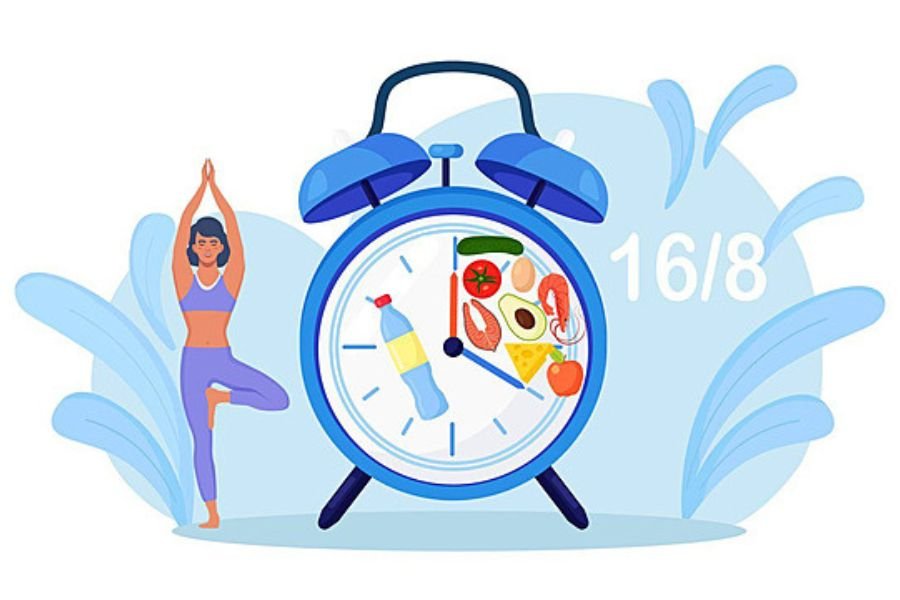
Simple Intermittent Fasting Meal Plan to Improve Your Health
Intermittent fasting can feel complicated when you first hear about it, but the idea is simple. You choose specific hours to eat and give your body a daily break from constant snacking. A structured intermittent fasting meal plan helps you avoid guesswork so you can focus on feeling better, not counting every bite.
Below, you will learn how intermittent fasting works, what to eat in your meal window, and how to follow an easy 7 day plan that supports weight loss and overall health.
Understand intermittent fasting basics
Intermittent fasting is an eating pattern that alternates between periods of eating and periods of not eating. Instead of focusing on what you eat, you focus on when you eat. During your fasting window you stick to water and zero calorie drinks, and during your eating window you focus on balanced, nutrient dense meals (Johns Hopkins Medicine).
One of the most popular and sustainable approaches is the 16/8 method. You fast for 16 hours and eat all your meals within an 8 hour window every day. You might, for example, eat between noon and 8 p.m. or between 9 a.m. and 5 p.m., depending on your schedule and preferences (Healthline).
Choose the right fasting schedule
There is no single perfect fasting schedule that fits everyone. Your goal is to choose an intermittent fasting meal plan that fits your lifestyle so you can stick with it.
For daily fasting, the 16/8 pattern is often the easiest place to start. You can:
- Skip breakfast and eat from 12 p.m. to 8 p.m.
- Start earlier and eat from 9 a.m. to 5 p.m.
- Shift the window slightly to fit work, family, and social plans
During the 16 hour fast, you can drink water, plain coffee, or unsweetened tea. These no calorie beverages help keep you hydrated and can reduce appetite while you fast (Healthline).
If you prefer not to fast every day, another option is the 5:2 method. You eat normally five days a week and eat only 500 to 600 calories on two non consecutive days, such as Monday and Thursday (Johns Hopkins Medicine). However, this guide focuses on the 16/8 style because many people find it more sustainable from day to day.
Know what you can have while fasting
During your fasting window, your goal is to avoid calories so your body can tap into stored energy. You can still keep some helpful habits in place.
You can drink:
- Water, still or sparkling
- Black coffee without cream, sugar, or flavored syrups
- Plain tea or herbal tea without sweeteners
Avoid snacks, juices, milk, alcohol, and anything else that adds calories. Sticking to zero calorie options helps you maintain the benefits of fasting while still supporting hydration and comfort (Johns Hopkins Medicine).
Focus on nutrient dense foods when you eat
Intermittent fasting is not a free pass to eat anything you want in your 8 hour window. To feel your best and support long term health, you still want to build your meals around whole, minimally processed foods.
During your eating window, try to include:
- Lean proteins like chicken, fish, eggs, tofu, and beans
- High fiber carbohydrates such as oats, brown rice, quinoa, and sweet potatoes
- Healthy fats like avocado, olive oil, nuts, and seeds
- Plenty of vegetables and some fruit for vitamins, minerals, and fiber
This kind of balanced approach is similar to a Mediterranean style pattern with leafy greens, healthy fats, lean proteins, and whole grains, which is often recommended for overall health (Johns Hopkins Medicine). Limiting ultra processed foods such as packaged snacks, sugary drinks, and deep fried items can help you get more from your fasting routine (Healthline).
Explore the potential health benefits
A consistent intermittent fasting meal plan can support several aspects of your health. Everyone responds differently, but research highlights some promising areas.
Because you are eating in a shorter window, you are likely to take in fewer calories. A review of studies found that 11 out of 13 trials reported significant weight loss in people following intermittent fasting patterns (Healthline). Fasting periods also lower insulin levels, which can improve insulin sensitivity and reduce the risk of insulin resistance and type 2 diabetes over time (Berry Street).
Intermittent fasting can also support your heart. Studies summarized in a 2025 review suggest it may help lower LDL, or “bad,” cholesterol and triglycerides, maintain or increase HDL, or “good,” cholesterol, and reduce certain inflammation markers related to heart disease (Berry Street). Some people also report better focus and more stable energy once their body adjusts.
Use a simple 7 day 16/8 meal plan
Having a sample week can make your first steps much easier. Below is a simple 7 day structure built around a 12 p.m. to 8 p.m. eating window. You can adjust serving sizes to fit your calorie needs and shift the eating times as needed.
If you have any medical conditions, take medications, are pregnant, breastfeeding, or have a history of eating disorders, talk with your doctor before starting intermittent fasting.
Day 1
- First meal: Scrambled eggs with avocado and a side of mixed berries
- Snack: A small handful of almonds and an apple
- Dinner: Grilled chicken salad with leafy greens, tomatoes, cucumbers, olive oil, and vinegar
Day 2
- First meal: Oatmeal cooked with water or milk, topped with peanut butter and sliced banana
- Snack: Carrot sticks with hummus
- Dinner: Baked salmon with roasted sweet potatoes and steamed broccoli
Day 3
- First meal: Greek yogurt with chia seeds and a small portion of granola
- Snack: Cottage cheese with sliced cucumber or cherry tomatoes
- Dinner: Stir fried tofu or lean beef with mixed vegetables over brown rice
Day 4
- First meal: Whole grain toast topped with mashed avocado and a poached egg
- Snack: A pear and a few walnuts
- Dinner: Turkey or lentil chili with a side salad
Day 5
- First meal: Smoothie made with spinach, frozen berries, protein powder, and water or unsweetened milk
- Snack: Rice cakes with almond butter
- Dinner: Grilled shrimp or chickpeas over quinoa with roasted vegetables
Day 6
- First meal: Veggie omelet with peppers, onions, and mushrooms, plus a slice of whole grain toast
- Snack: Plain popcorn or a small handful of mixed nuts
- Dinner: Chicken or tempeh fajita bowl with brown rice, beans, peppers, onions, salsa, and a little cheese
Day 7
- First meal: Overnight oats with chia seeds, cinnamon, and sliced apple
- Snack: Sliced bell peppers with guacamole
- Dinner: Baked cod or black bean patties with roasted potatoes and a big green salad
This structure mirrors the kinds of nutrient dense meals highlighted in sample 7 day fasting plans, which emphasize protein, healthy fats, fiber rich carbs, and plenty of vegetables to help you stay full and energized during your eating window (Berry Street).
Ease into fasting safely
Your body may need 2 to 4 weeks to fully adjust to a new intermittent fasting pattern. At first, you might notice more hunger or irritability, which is normal during the adjustment phase. People who stick with it often report feeling better and find it easier to maintain over time (Johns Hopkins Medicine).
To make the transition smoother, you can:
- Start slowly by lengthening your overnight fast by 1 to 2 hours at a time
- Stay hydrated with water and non caloric drinks throughout the day
- Focus on high fiber, high protein meals so you stay satisfied
- Avoid overeating or “making up for lost time” during your eating window
- Pay attention to your body and adjust your window or meal sizes if you feel unwell (Berry Street)
Some people notice side effects such as strong hunger, weakness, or overeating once the eating window opens. There can also be hormonal effects, including possible changes in menstrual cycles for some women, so checking with a healthcare professional before you begin is important, especially if you have underlying health concerns (Healthline).
Decide if intermittent fasting is right for you
An intermittent fasting meal plan is one tool you can use to support weight loss and better health, but it is not the only path. You are more likely to succeed if your approach fits your schedule, medical needs, and personality.
If you like routine and prefer clear rules about when to eat, a 16/8 schedule with simple, whole food meals may be a helpful fit. If you feel overly restricted, constantly preoccupied with food, or unwell, it is worth stepping back and speaking with a professional to explore other options.
You can start by choosing a realistic 8 hour window, planning one or two balanced meals and a snack inside that time, and seeing how you feel for a week. From there, you can adjust your intermittent fasting style until it feels like a natural part of your day rather than a strict diet.
About The Author





